Nigeria First: FG orders MDAs to buy only locally assembled vehicles
Federal ministries and agencies must now buy vehicles only from licensed local assemblers, with foreign-built ones allowed only with presidential clearance, NADDC and BPP said on Friday.
By John Christian Mmaduabuchi, Chief Editor
· 4 min read · Abuja
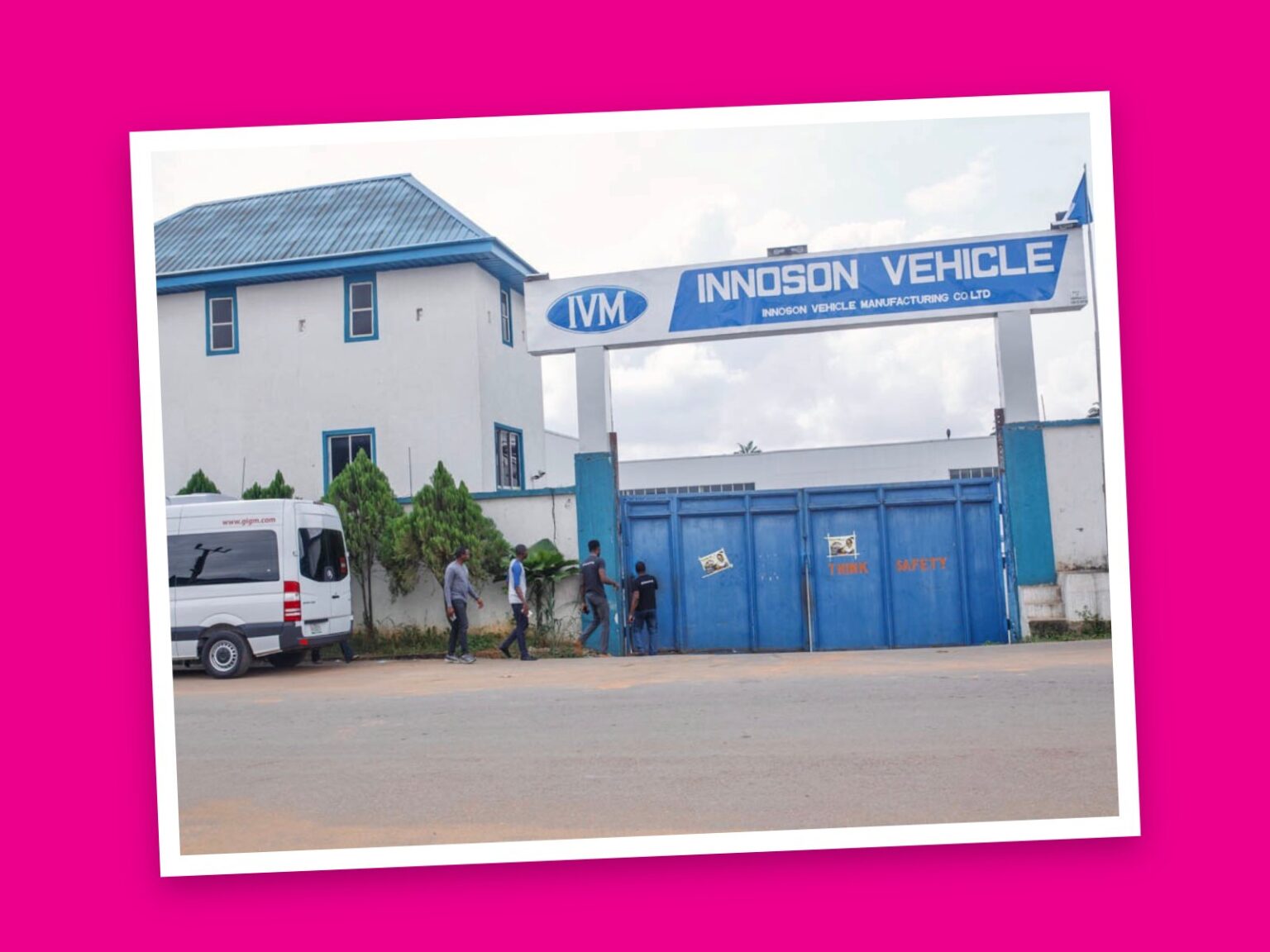
- NADDC and BPP said in Abuja on Friday, 9 October 2026, that MDAs must buy vehicles only from licensed local assemblers or their authorised retailers.
- An agency may buy a foreign-assembled vehicle only if no local alternative exists and it obtains direct presidential clearance.
- Every vehicle supplied to the government must carry a traceable VIN checked by NADDC, and suppliers outside licensed local assembly lines risk blacklisting.
The gist in 30 seconds
- NADDC and BPP said in Abuja on Friday, 9 October 2026, that MDAs must buy vehicles only from licensed local assemblers or their authorised retailers.
- An agency may buy a foreign-assembled vehicle only if no local alternative exists and it obtains direct presidential clearance.
- Every vehicle supplied to the government must carry a traceable VIN checked by NADDC, and suppliers outside licensed local assembly lines risk blacklisting.
Federal ministries, departments and agencies (MDAs) must now buy their vehicles only from licensed local assemblers or their authorised retailers, under the Nigeria First Policy. The National Automotive Design and Development Council (NADDC) and the Bureau of Public Procurement (BPP) set out the rules at a joint press conference in Abuja on Friday, 9 October 2026, Channels Television and Vanguard reported.
NADDC Director-General Oluwemimo Joseph Osanipin said the arrangements for putting the policy into practice were now complete, according to Vanguard. An agency may buy a foreign-assembled vehicle only if it proves that no domestic alternative exists and obtains direct presidential clearance, Channels reported.
The rules decide how public money is spent on the cars, buses and utility vehicles that government agencies buy. Officials at the briefing said relying on foreign-assembled vehicles had strained Nigeria’s foreign exchange reserves, sent jobs abroad and held back local manufacturing, according to Vanguard.
What the new rules say
- All vehicles bought by MDAs, including project utility vehicles, must come from licensed local assemblers or their authorised retailers, according to Channels.
- Every vehicle supplied to the government must carry a traceable Vehicle Identification Number (VIN), with NADDC responsible for checking it, according to Channels and The Sun.
- NADDC will keep an updated register of compliant assemblers, verifying their production facilities, technical capacity and after-sales service, The Sun reported.
- BPP will not issue a no-objection certificate for purchases from manufacturers, importers or suppliers that fail to meet NADDC’s technical specifications, BPP Director-General Adebowale Adedokun said, according to The Sun.
What happens to those who break them?
Osanipin said any supply outside licensed local assembly lines “will attract immediate regulatory sanctions, including blacklisting and licence revocation”, Channels reported. Adedokun said assemblers that fail to meet the requirements could be debarred, and that BPP is building a stronger monitoring system covering quality, maintenance and after-sales service, according to Vanguard.
Adedokun also said the anti-corruption agencies, including the EFCC and the ICPC, had asked for procurement records to monitor compliance, and urged journalists to request approval records from BPP, The Sun reported.
Can local assemblers meet the demand?
Osanipin said the plants already have room to grow. “Local plants currently possess an installed assembly capacity of 370,520 vehicles per annum,” he said, according to Vanguard, adding that guaranteed demand from the public sector would encourage expansion.
He said a single vehicle is made up of about 3,000 components, which he described as opportunities for local makers of steel, plastics, leather, glass, rubber and electronics. The government aims to raise local production step by step until it meets 70% of the country’s vehicle needs, The Sun reported.
What did BPP say about prices?
Adedokun gave the example of a vehicle with a listed price of about ₦72 million before procurement. “By the time we procured, these are verifiable facts, it came down to 35 million,” he said, according to Vanguard. He did not name the model, The Sun reported.
How did we get here?
The push has been building for months. In a statement dated 11 September 2026, published by the Federal Ministry of Information and National Orientation, BPP said the Federal Government had approved full implementation of the Nigeria First Policy for vehicle procurement. It said buying vehicles from foreign manufacturers “is strictly prohibited” unless an official waiver is granted because there is no local capacity, and that payments must be backed by a BPP “No Objection” certificate.
The same statement asked agencies to compile records of every vehicle in their fleets bought since 2020, including the price, brand, model and VIN. A government circular in April 2011 had already asked MDAs to prefer locally assembled vehicles, the statement noted.
In June, Osanipin told Channels Television’s Sunrise Daily that the council was not picking brands. “We are not choosing the brand for any agency, but the vehicles must come from companies assembling in Nigeria,” he said, according to The Guardian.
What happens next
NADDC and BPP plan a joint system to track what MDAs buy, and a digital platform to help buyers find local component makers and check where products come from using traceability barcodes, The Sun reported. NADDC will also work with the Standards Organisation of Nigeria on quality, safety and environmental standards.
Under the September statement, agencies must submit their vehicle records within three months of the end of each financial year. The early focus is on federal purchases, with state governments and the private sector to follow later, Osanipin said in June, according to The Guardian.
Sources
We checked this story against these sources. How we check
- Channels Television: Nigeria First: FG Mandates MDAs To Procure All Vehicles From Local Assemblers (10 Oct 2026)
- Vanguard: Nigeria First: FG orders MDAs to buy only Nigerian-assembled vehicles (10 Oct 2026)
- The Sun: MDAs risk prosecution for buying foreign vehicles without approval (10 Oct 2026)
- Federal Ministry of Information and National Orientation: Strict implementation and enforcement of the Nigeria First Policy in the automotive sector (11 Sep 2026)
- The Guardian Nigeria: Osanipin defends Nigeria First Policy, pushes for local vehicle procurement (5 Jun 2026)
How does this story make you feel?

John Christian Mmaduabuchi is a Nigerian filmmaker, creative director, and media professional with extensive experience in digital storytelling, visual journalism, and contemporary media. His Journalism interests span Nigerian and African current affairs, entertainment, culture, technology, lifestyle, media, and the people shaping public conversation. With a background in film direction and documentary production, he brings a strong visual and narrative perspective to editorial work, with particular attention to context, clarity, and compelling storytelling. John is also a creative entrepreneur focused on storytelling, entertainment, culture, and digital content. His professional experience across directing, cinematography, editing, media strategy, and emerging AI technologies gives him a broad understanding of how stories are created, distributed, and consumed in the digital age. At GistMatrix, John contributes to the development and presentation of timely, engaging, and relevant stories for a contemporary audience. His approach to editorial work is grounded in accuracy, context, responsible storytelling, and a commitment to covering stories that matter.



Join the conversation
Be sharp, be kind. Comments are checked before they appear. We remove insults, hate, spam and personal details. Community rules