Explainer: why Nigeria wants permanent Security Council seats for Africa
At the UN General Assembly, Nigeria again demanded two permanent seats with veto power for Africa. Here is what that means and why it is so hard.
By John Christian Mmaduabuchi, Chief Editor
· · 2 min read
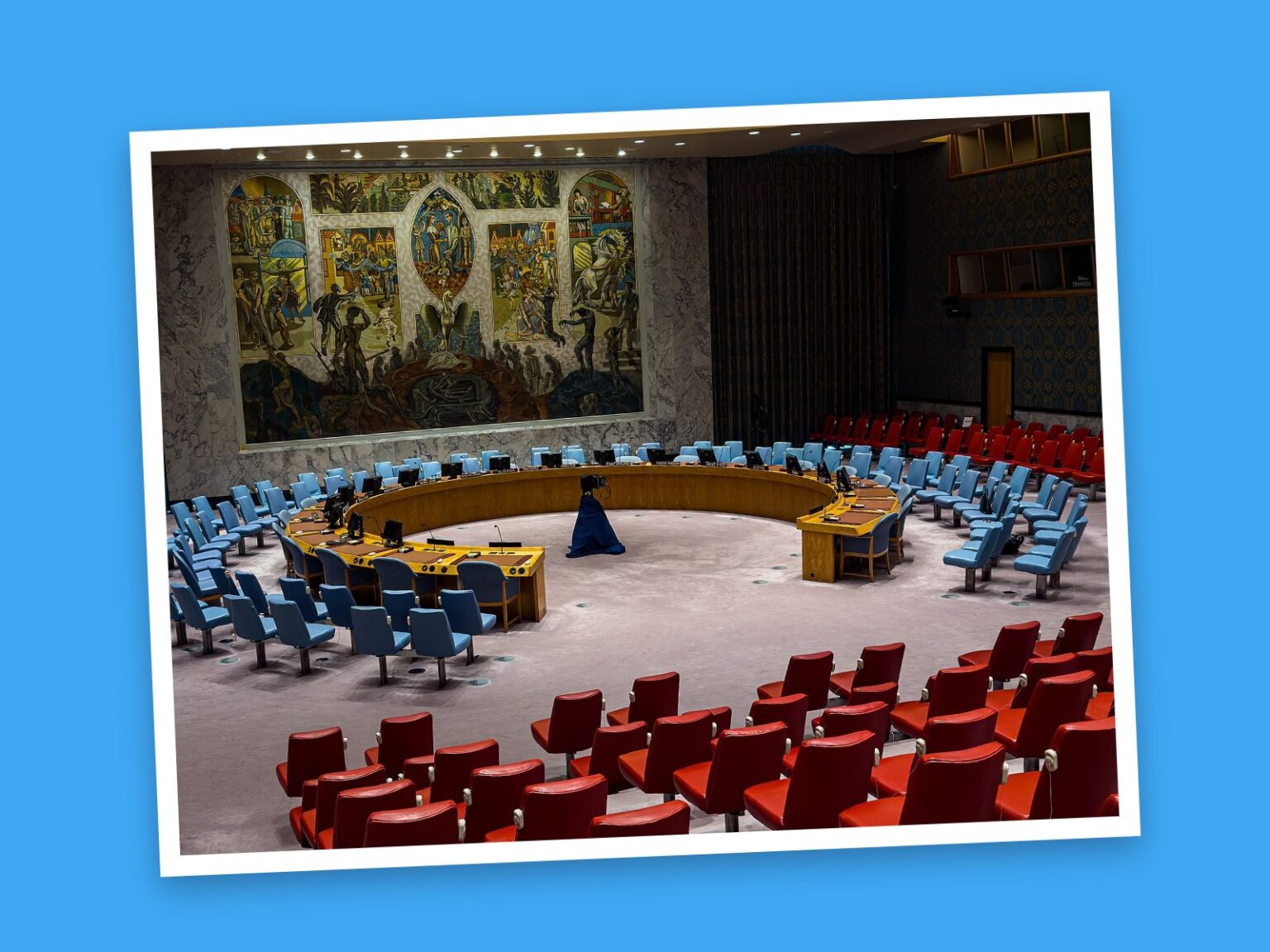
- VP Shettima delivered Nigeria's statement at UNGA 81 on 24 September
- Africa wants two permanent seats with the veto and five more elected seats
- Any change needs two-thirds of UN members, including all five permanent members
The gist in 30 seconds
- VP Shettima delivered Nigeria's statement at UNGA 81 on 24 September
- Africa wants two permanent seats with the veto and five more elected seats
- Any change needs two-thirds of UN members, including all five permanent members
Every September, world leaders take turns at the podium of the UN General Assembly in New York. This year Nigeria used its slot to repeat a demand it has made for years: Africa must have permanent seats on the UN Security Council.
Vice President Kashim Shettima delivered the national statement on behalf of President Bola Tinubu at the 81st session on Thursday, 24 September. He called for at least two permanent seats for Africa, with all the rights of permanent membership, including the veto. “The world of 2026 cannot remain captive to the distribution of power in 1945,” he said.
How the Council works
The Security Council is the UN body charged with maintaining international peace and security, and its decisions can bind member states. It has 15 members. Five are permanent: China, France, Russia, the United Kingdom and the United States, each of which can veto decisions. The other ten are elected by the General Assembly for two-year terms.
Africa has no permanent member, even though much of the Council’s work concerns the continent. Al Jazeera reports that 18 of the 24 resolutions adopted in 2025 under Chapter VII, the Council’s enforcement powers, related to Africa.
The African Union’s common position, known as the Ezulwini Consensus, asks for two permanent seats with the same rights as existing permanent members, including the veto, plus five additional non-permanent seats. Nigeria’s statement followed that line, and other African leaders, including Ghana’s President John Mahama, made similar calls at this year’s session.
Why it keeps stalling
Changing the Council means amending the UN Charter. Under Article 108, an amendment must be adopted by two-thirds of the General Assembly and then ratified by two-thirds of UN members, including all five permanent members. In other words, the countries that hold the veto must agree to share their privileged position.
Formal intergovernmental negotiations on reform have run since 2008 without agreement on the core questions. Africa has another hurdle of its own: the African Union has not said which countries would fill its seats, and Nigeria, Egypt and South Africa are among the countries seeking them.
What next: Reform talks continue at the UN, but change will not come quickly. Expect Nigeria to keep pressing the case, both at the African Union and in New York.
Sources
We checked this story against these sources. How we check
- Premium Times: Nigeria restates demand for two permanent UNSC seats, veto powers for Africa
- Al Jazeera: UNGA81: Why has Africa’s Security Council reform push remained unresolved?
- Vanguard: Full Text: Tinubu’s address at the 81st UN General Assembly (UNGA81)
- The Guardian Nigeria: UNGA: Shettima sets out Nigeria’s global agenda today
- United Nations: UN Charter, Chapter XVIII: Amendments (Article 108)
- United Nations: UN Charter, Chapter V: The Security Council (Article 23)
How does this story make you feel?
John Christian Mmaduabuchi is a Nigerian filmmaker, creative director, and media professional with extensive experience in digital storytelling, visual journalism, and contemporary media. His Journalism interests span Nigerian and African current affairs, entertainment, culture, technology, lifestyle, media, and the people shaping public conversation. With a background in film direction and documentary production, he brings a strong visual and narrative perspective to editorial work, with particular attention to context, clarity, and compelling storytelling. John is also a creative entrepreneur focused on storytelling, entertainment, culture, and digital content. His professional experience across directing, cinematography, editing, media strategy, and emerging AI technologies gives him a broad understanding of how stories are created, distributed, and consumed in the digital age. At GistMatrix, John contributes to the development and presentation of timely, engaging, and relevant stories for a contemporary audience. His approach to editorial work is grounded in accuracy, context, responsible storytelling, and a commitment to covering stories that matter.




Join the conversation
Be sharp, be kind. Comments are checked before they appear. We remove insults, hate, spam and personal details. Community rules