IMF warns Nigeria against restoring petrol subsidy, suggests help with bus fares
The IMF says a blanket petrol subsidy would be costly and help the better-off most, and that targeted support, such as help with bus fares, would work better.
By John Christian Mmaduabuchi, Chief Editor
· · 5 min read · Bangkok
- The IMF warned Nigeria against restoring the petrol subsidy at a Fiscal Monitor press briefing in Bangkok on Wednesday, 14 October 2026.
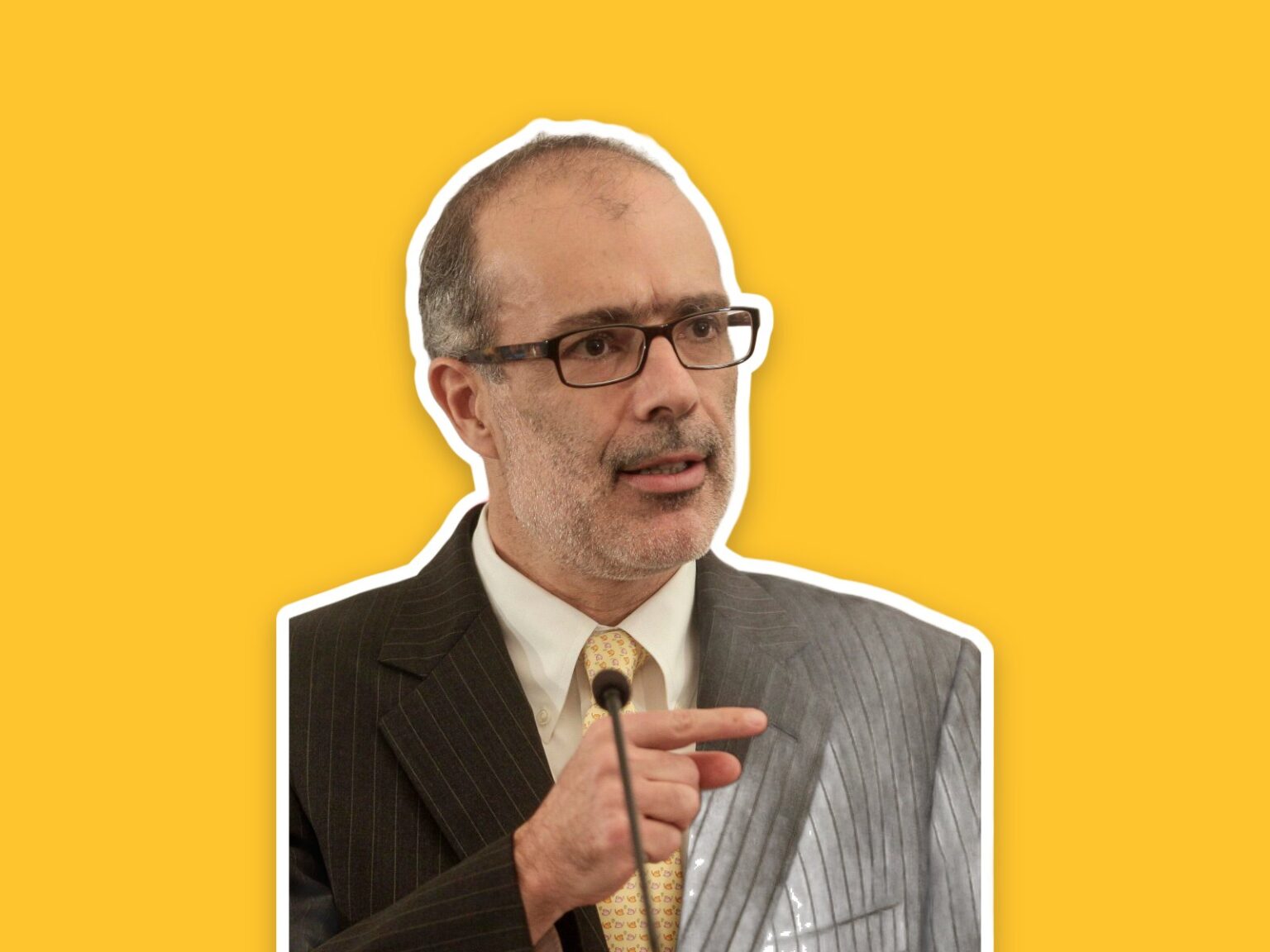
- Rodrigo Valdés, Director of the IMF's Fiscal Affairs Department, said subsidies are fiscally very costly and that protecting people is not the same as protecting the price of fuels.
- IMF division chief Davide Furceri suggested subsidising bus fares instead, a week after the government announced a 30-day petrol discount at NNPC stations.
The gist in 30 seconds
- The IMF warned Nigeria against restoring the petrol subsidy at a Fiscal Monitor press briefing in Bangkok on Wednesday, 14 October 2026.
- Rodrigo Valdés, Director of the IMF's Fiscal Affairs Department, said subsidies are fiscally very costly and that protecting people is not the same as protecting the price of fuels.
- IMF division chief Davide Furceri suggested subsidising bus fares instead, a week after the government announced a 30-day petrol discount at NNPC stations.
Updated 10:31 WAT, 17 Oct 2026: The director of the IMF’s African Department, Zeine Zeidane, repeated the fund’s advice at a briefing on Thursday, saying energy subsidies should be phased out gradually and the savings targeted at people who need support.
The International Monetary Fund has warned Nigeria against bringing back the petrol subsidy, saying help for households should go to people rather than into holding down the price of fuel. Rodrigo Valdés, Director of the IMF’s Fiscal Affairs Department, gave the advice at a press briefing on the fund’s Fiscal Monitor on Wednesday, 14 October 2026, at the IMF and World Bank annual meetings in Bangkok, Thailand, THISDAY, Daily Trust and Channels Television reported.
“Protecting people is not the same as protecting the price of fuels,” Valdés said, according to all three.
Why does this matter to you?
The price of petrol feeds into almost everything Nigerians pay for, from bus fares to food. On Wednesday, motorists in Jos, Plateau State, were paying ₦1,420 a litre at NNPC stations and between ₦1,472 and ₦1,492 at other filling stations, Premium Times reported.
The subsidy has become a campaign issue. With the 2027 general election less than 100 days away, some opposition presidential candidates have promised to bring it back, BusinessDay and Daily Trust reported. The Federal Government insists there is “no going back on the removal of subsidy from petroleum products”, Daily Trust reported on Thursday.
What exactly did the IMF say?
Valdés said a blanket subsidy was “fiscally very costly” and regressive in many places, THISDAY and BusinessDay reported. Daily Trust said the fund’s view is that such subsidies mostly benefit higher-income consumers. “There are better tools to deal with this,” Valdés said, pointing to social safety nets and household data as ways to find the people who need help, according to Daily Trust.
The IMF estimates that fuel subsidies, or measures that stop prices from fully adjusting to an energy shock, are costing countries between 1 and 1.5 per cent of their gross domestic product (GDP) in 2026, Channels Television and THISDAY reported. That is a range across countries, not an estimate for Nigeria.
Davide Furceri, a division chief in the same department, said that if petrol prices go up, “perhaps bus fees may be subsidised”, which he called “a much better policy at the end of the day” than a blanket subsidy for everybody, according to THISDAY and BusinessDay.
In remarks published by the IMF’s media centre with the briefing, Valdés said: “Prices should reflect scarcity, and support should reach those who need it most.”
What is the government doing about fuel prices?
The IMF spoke a week after Finance Minister Taiwo Oyedele announced a 30-day petrol discount at NNPC stations, with public transport operators first in line, and talks on a ₦1,350-a-litre ceiling on the landing cost of petrol. GistMatrix explained the plan here.
Oyedele said NNPC Retail would sell petrol at cost by giving up its retail margin, THISDAY reported. “So, it’s not a subsidy, the government is just saying we sell to you at cost,” he told reporters on 8 October, according to The Guardian. NNPC Limited’s Chief Corporate Communications Officer, Andy Odeh, has described its own ₦66-a-litre discount, paid through the NNPC Fuel App, as “customer relief and not a return of fuel subsidy”, Ripples Nigeria reported.
Who agrees with the IMF, and who does not?
Dr Muda Yusuf, Chief Executive of the Centre for the Promotion of Private Enterprise (CPPE), backed the fund’s position. “Reinstating a broad-based consumption subsidy would recreate serious fiscal vulnerabilities,” he said, Daily Trust reported.
Others were less convinced. “The IMF may be right, but it is not completely right,” said Professor Ndubisi Nwokoma, an economist, according to the same report. The President of the Nigeria Labour Congress, Joe Ajaero, called the IMF and the World Bank “twin forces in economic mischief”, Daily Trust reported.
What did the IMF’s Africa team add?
The fund returned to the subject at its African Department’s briefing in Bangkok on Thursday, 15 October, according to the IMF’s transcript. Asked about subsidies in Nigeria, the department’s director, Zeine Zeidane, said most of the money spent on energy subsidies goes to people who do not need it, and that the fund’s advice “in many places has been to phase these subsidies gradually” and to target the savings at those who need help. “It’s better to support people who need support than supporting product,” he said, adding that the advice was not specific to Nigeria.
Presenting the IMF’s economic outlook for sub-Saharan Africa at the same briefing, Zeidane said: “Broad fuel price relief is expensive and poorly targeted.” He said an illustrative scenario in the report showed that holding down fuel prices across the board could cost about 4% of GDP, while transfers giving the same benefit to the poorest 40% of the population would cost at most 0.5% of GDP. The scenario is for the region, not an estimate for Nigeria. “Any temporary price relief should be transparently funded, capped, and time bound,” he said.
What happens next
NNPC’s ₦66-a-litre discount runs until 31 October, the company said on 9 October, according to Ripples Nigeria. The proposed ₦1,350 ceiling would be subject to monthly reviews, THISDAY reported. Watch for whether the discount is extended when it ends, and for a final decision on the ceiling.
Sources
We checked this story against these sources. How we check
- THISDAY: IMF Warns Nigeria Against Restoring Petrol Subsidy (14 Oct 2026)
- Daily Trust (via allAfrica): Nigeria: Don't Restore Fuel Subsidy, IMF Tells Govt (14 Oct 2026)
- Channels Television: IMF Warns Nigeria Against Restoring Petrol Subsidy (14 Oct 2026)
- BusinessDay: IMF warns Nigeria against return to costly petrol subsidies (14 Oct 2026)
- Daily Trust: Experts caution as IMF offers fresh advice on subsidy (15 Oct 2026)
- IMF Media Center: IMF / Fiscal Monitor Report, Annual Meetings 2026 (14 Oct 2026)
- IMF: Schedule, 2026 Annual Meetings of the IMF and the World Bank Group
- Premium Times: Plateau motorists pay ₦1,420 for petrol at NNPC stations as other outlets charge ₦1,492 (15 Oct 2026)
- The Guardian Nigeria: FG Announces 30-Day Discount on Petrol Through NNPC stations (8 Oct 2026)
- Ripples Nigeria: NNPCL extends N66/litre petrol discount, insists it's not subsidy (9 Oct 2026)
- IMF: Press Briefing Transcript: African Department, Annual Meetings 2026 (15 Oct 2026)
How does this story make you feel?

John Christian Mmaduabuchi is a Nigerian filmmaker, creative director, and media professional with extensive experience in digital storytelling, visual journalism, and contemporary media. His Journalism interests span Nigerian and African current affairs, entertainment, culture, technology, lifestyle, media, and the people shaping public conversation. With a background in film direction and documentary production, he brings a strong visual and narrative perspective to editorial work, with particular attention to context, clarity, and compelling storytelling. John is also a creative entrepreneur focused on storytelling, entertainment, culture, and digital content. His professional experience across directing, cinematography, editing, media strategy, and emerging AI technologies gives him a broad understanding of how stories are created, distributed, and consumed in the digital age. At GistMatrix, John contributes to the development and presentation of timely, engaging, and relevant stories for a contemporary audience. His approach to editorial work is grounded in accuracy, context, responsible storytelling, and a commitment to covering stories that matter.