King Sunny Ade at 80: the juju king still chasing an unfinished dream
Nigeria's juju legend turned 80 on 22 September, drawing praise from President Tinubu and talking up his plan for an African music archive and school.
By John Christian Mmaduabuchi, Chief Editor
· · 2 min read
- King Sunny Ade, born Sunday Adeniyi Adegeye, turned 80 on 22 September
- Synchro System made him the first Nigerian Grammy nominee; Odu earned a second nod
- He wants a world-class archive and school for African music, he told Guardian Life
The gist in 30 seconds
- King Sunny Ade, born Sunday Adeniyi Adegeye, turned 80 on 22 September
- Synchro System made him the first Nigerian Grammy nominee; Odu earned a second nod
- He wants a world-class archive and school for African music, he told Guardian Life
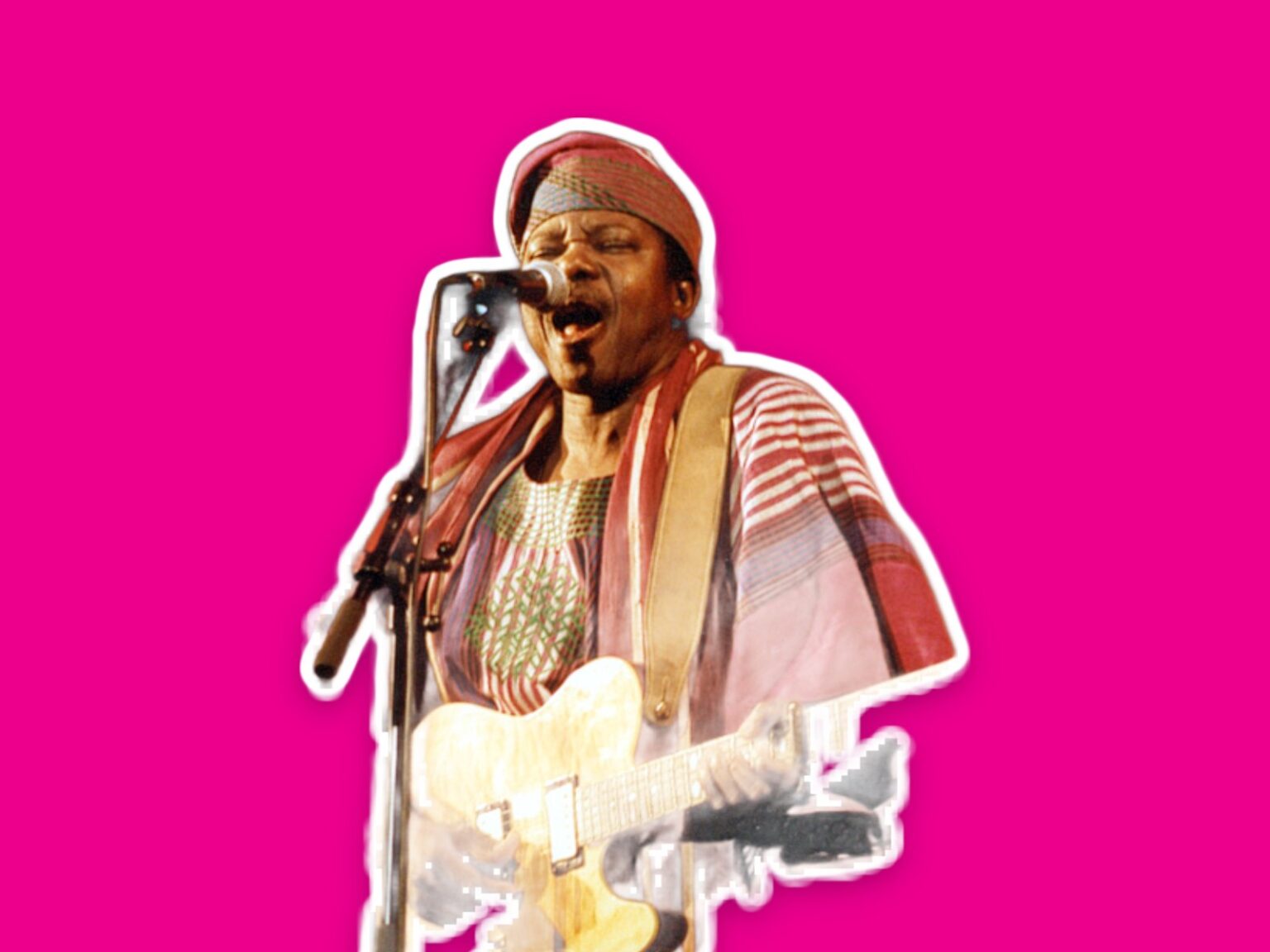
King Sunny Ade, the man who carried juju from Lagos party halls to stages around the world, turned 80 on Tuesday 22 September. For many Nigerians, his guitars are the soundtrack of owambes, wedding receptions and Saturday mornings at home.
Born Sunday Adeniyi Adegeye on 22 September 1946, KSA began his professional career in the 1960s. He cut his teeth with Moses Olaiya’s Federal Rhythm Dandies, then formed his own band, the Green Spots, in 1967. It later became the African Beats, the outfit that carried his name through the 1970s and beyond.
Going global
His big international moment came in the early 1980s, when he signed to Island Records and released Juju Music in 1982. His album Synchro System then made him the first Nigerian artist nominated for a Grammy, in 1984, and he earned a second nomination with Odu in 1999. Channels Television also credits him with bringing the pedal steel guitar into juju, a sound that became one of his signatures.
President Bola Tinubu marked the birthday with a State House message praising KSA’s “musical excellence and cultural ambassadorship” across eight decades.
The dream he is still chasing
In an interview with Guardian Life, KSA said his unfinished dream is a world-class institution and archive for African music, one that preserves Nigeria’s musical history, instruments and performance techniques. He wants it to be a place where young musicians learn not only their craft but also copyright and the business side of the industry.
That last part should ring a bell for today’s Afrobeats generation, where streaming numbers are huge but questions about royalties, ownership and fair deals never quite go away. A living legend asking for music education and proper archives is a reminder that talent alone does not protect a legacy.
If you only know juju from your parents’ playlists, his 80th is a good excuse to dig in. Start with Juju Music and Synchro System, listen for the interlocking guitars and talking drums, and you will hear why his influence stretches well beyond one genre.
Sources
We checked this story against these sources. How we check
How does this story make you feel?

John Christian Mmaduabuchi is a Nigerian filmmaker, creative director, and media professional with extensive experience in digital storytelling, visual journalism, and contemporary media. His Journalism interests span Nigerian and African current affairs, entertainment, culture, technology, lifestyle, media, and the people shaping public conversation. With a background in film direction and documentary production, he brings a strong visual and narrative perspective to editorial work, with particular attention to context, clarity, and compelling storytelling. John is also a creative entrepreneur focused on storytelling, entertainment, culture, and digital content. His professional experience across directing, cinematography, editing, media strategy, and emerging AI technologies gives him a broad understanding of how stories are created, distributed, and consumed in the digital age. At GistMatrix, John contributes to the development and presentation of timely, engaging, and relevant stories for a contemporary audience. His approach to editorial work is grounded in accuracy, context, responsible storytelling, and a commitment to covering stories that matter.




Join the conversation
Be sharp, be kind. Comments are checked before they appear. We remove insults, hate, spam and personal details. Community rules