Tuesday 20 October

Send us your video Advertise
Sign in Join free

#NobelPrize

  1. Francis Halzen of the University of Wisconsin–Madison won the 2026 Nobel Prize in Physics, announced in Stockholm on Tuesday, 6 October 2026.
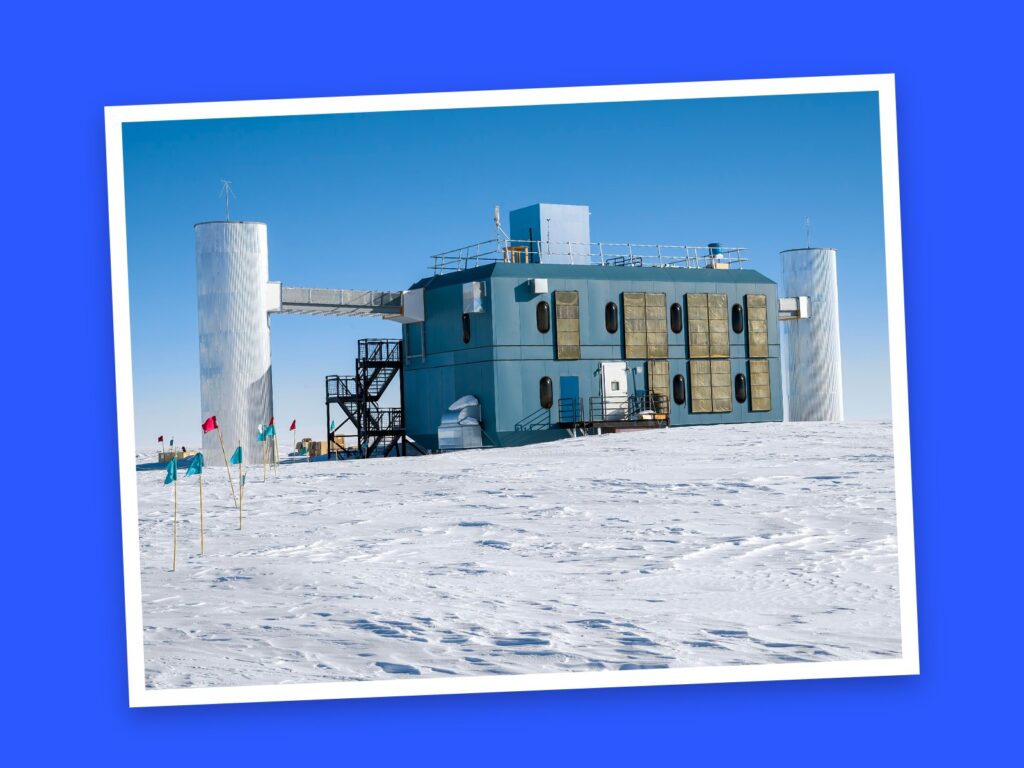
  2. The prize recognises his role in IceCube, a cubic kilometre of Antarctic ice fitted with 5,160 light sensors that catches neutrinos from deep space.
  3. IceCube reported the first evidence of cosmic neutrinos in 2013, and Halzen will receive the prize in Stockholm on Thursday, 10 December 2026.
Gist Reel

Science · 5 min read

Physics Nobel 2026 explained: how South Pole ice caught neutrinos from deep space

Francis Halzen won the 2026 Nobel Prize in Physics for IceCube, a cubic kilometre of Antarctic ice fitted with light sensors. Here is what it found and why it matters.

Belgian-born physicist Francis Halzen has won the 2026 Nobel Prize in Physics for his work on the IceCube Neutrino Observatory, a giant detector buried in the ice at the South Pole. The Royal Swedish Academy of Sciences announced the award in Stockholm on Tuesday, 6 October 2026, citing his "decisive contributions to the IceCube Neutrino Observatory and the discovery of…
Story page
  1. Henri B. Kagan and Kenso Soai won the 2026 Nobel Prize in Chemistry, announced in Stockholm on Wednesday, 7 October 2026.
  2. Kagan discovered non-linear effects in 1986, and in 2003 Soai presented a self-copying reaction that ends up making almost only one mirror-image form of a molecule.
  3. The Royal Swedish Academy of Sciences says the discoveries have been decisive for chemists who design reactions for making pharmaceuticals.
Gist Reel

Science · 4 min read

Chemistry Nobel 2026 explained: why mirror-image molecules matter

Henri Kagan and Kenso Soai won the 2026 Nobel Prize in Chemistry for showing how reactions can favour one 'hand' of a molecule. Here is what they found and why it reaches far beyond the lab.

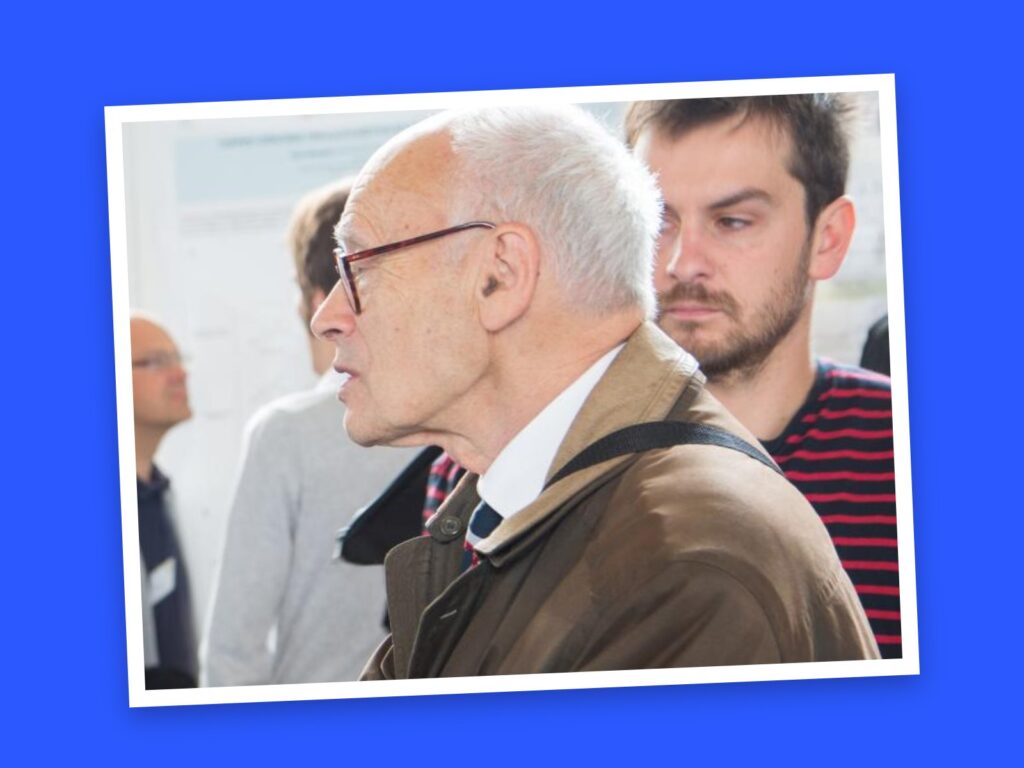
Henri B. Kagan of France and Kenso Soai of Japan have won the 2026 Nobel Prize in Chemistry for discovering how chemical reactions can be steered to make just one of the two mirror-image forms of a molecule. The Royal Swedish Academy of Sciences announced the award in Stockholm on Wednesday, 7 October 2026. The Academy honoured the pair "for…

Story page

The newsletter

Get the gist before everyone else.

A five-minute read on Monday, Wednesday and Friday at 7am. Free, and you can leave any time.