Trump rejects Iran’s seven-day plan to reopen the Strait of Hormuz
Iran offered to reopen the vital oil route in return for sanctions relief and an end to the US naval blockade. Washington said no, for now.
By John Christian Mmaduabuchi, Chief Editor
· · 3 min read
- Iran's foreign minister unveiled the roadmap at the UN General Assembly on Friday
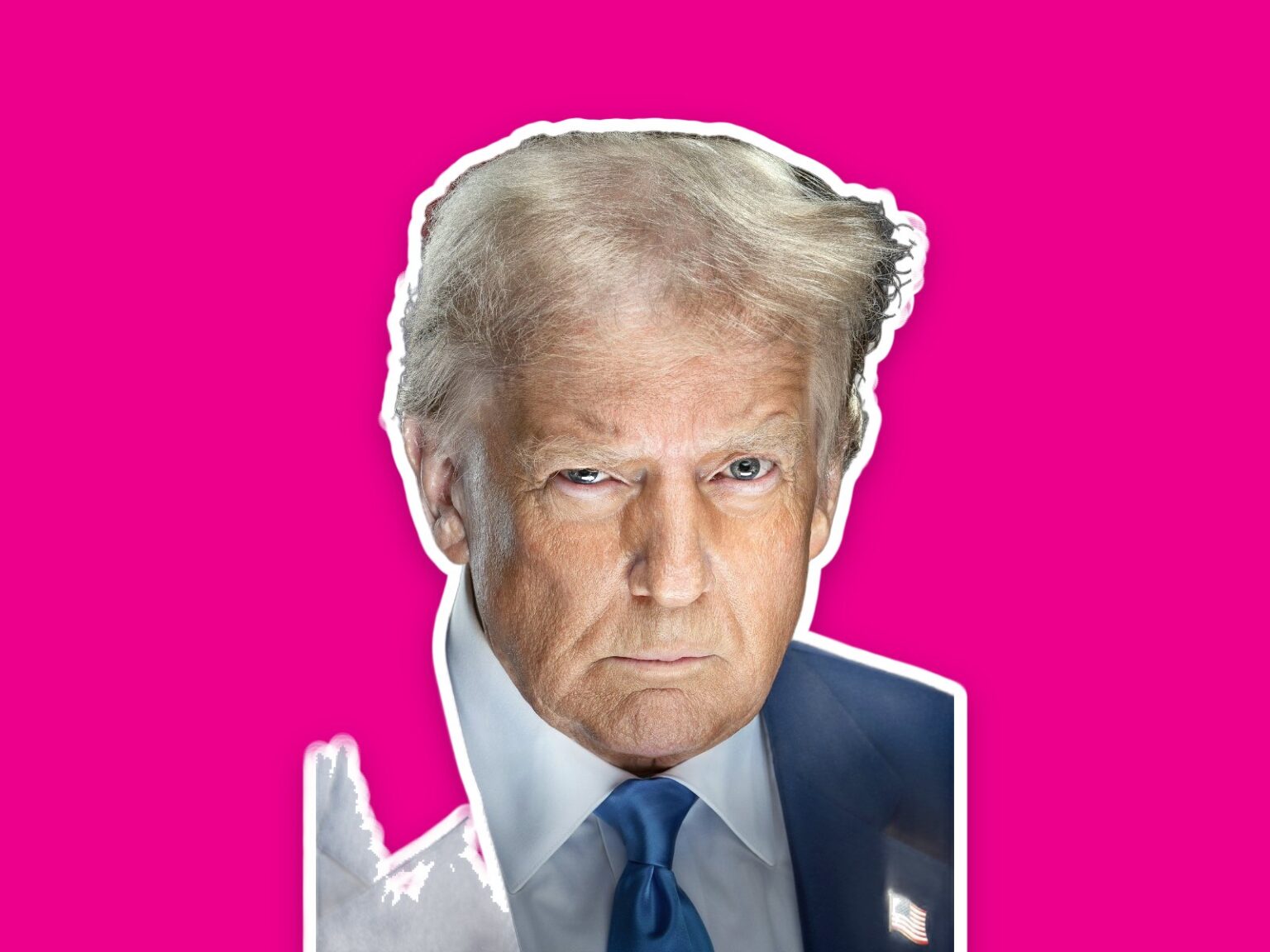
- Trump rejected it on Saturday but on Sunday said he expected more talks this week
- Brent crude settled at $104.32 a barrel on Friday
The gist in 30 seconds
- Iran's foreign minister unveiled the roadmap at the UN General Assembly on Friday
- Trump rejected it on Saturday but on Sunday said he expected more talks this week
- Brent crude settled at $104.32 a barrel on Friday
Updated 10:03 WAT, 30 Sep 2026: Iran has received a US response to its seven-day plan through Qatari mediators, and President Masoud Pezeshkian’s cabinet discussed it on Wednesday.
Hopes of an early end to the nearly seven-month stand-off over the Strait of Hormuz dimmed at the weekend after US President Donald Trump rejected a peace roadmap put forward by Iran.
Iran’s Foreign Minister, Abbas Araghchi, presented the seven-day plan at the UN General Assembly in New York on Friday. Under it, the United States would release frozen Iranian funds, lift sanctions on Iranian oil and end its naval blockade of Iranian ports. By the seventh day, Iran would reopen the strait and final negotiations would begin.
Trump turned the offer down on Saturday, saying Tehran wanted a quick deal because it was “losing so badly”. He has nonetheless said he expects negotiations to resume, CBS News reported. Araghchi said Iran was still waiting for a definitive response through mediators, and that the country was prepared for either renewed fighting or diplomacy.
On Sunday, Trump told Axios he expected more talks with Iran this week, but said what Tehran was offering was “not the deal that I want to make”. The same day, Iran said its Revolutionary Guards navy had seized a US underwater drone. The US military denied it, saying it remained in control of all its drone assets.
Iran has since received that response. Araghchi was handed Washington’s feedback on the plan by Qatari mediators in Doha on Tuesday, Reuters reported. On Wednesday, government spokeswoman Fatemeh Mohajerani told the state news agency IRNA that Araghchi had presented “the American side’s proposal” to President Masoud Pezeshkian at a cabinet meeting, AFP reported. An official quoted by Reuters said the two sides disagree mainly over the order of the steps, rather than what the plan contains.
How we got here
The crisis began on 28 February 2026, when the United States and Israel launched military operations against Iran. Tehran closed the strait shortly afterwards, and attacks on vessels sharply curtailed shipping through it. A memorandum of understanding signed in June was meant to end the war and reopen the waterway, but it broke down, and the US has since maintained a naval blockade of Iranian ports.
Why it matters in Nigeria
The Strait of Hormuz is one of the world’s most important routes for oil and gas, so every twist in the talks moves energy prices. Brent crude, the global benchmark against which Nigerian oil is priced, settled at $104.32 a barrel on Friday after touching $108 on Thursday.
For Nigeria, high oil prices cut both ways. They can boost government oil revenue and foreign-exchange earnings, but they also feed through to what households and businesses pay for petrol, diesel and aviation fuel. That is why a diplomatic breakthrough, or a breakdown, in the Gulf can show up in prices at filling stations in Lagos, Kano or Port Harcourt.
What next: Tehran is now weighing Washington’s response. Watch for Iran’s formal reply through the Qatari mediators, and for any movement in oil prices, which have been swinging on each diplomatic signal. For the latest, read our report: Iran gets US feedback on Hormuz plan as talks snag on who moves first.
Sources
We checked this story against these sources. How we check
- Al Jazeera: Trump rejects Iran’s seven-day roadmap to end war and reopen Hormuz
- Channels Television (AFP): Trump Rejects Iran Proposal For Deal To Reopen Hormuz
- CBS News: Iran War Updates: Trump expects talks with Iran to resume this week after rejecting proposal
- EnergyNow: Oil Ends Week Lower as U.S.-Iran Truce Hopes Hit WTI, While Middle East Supply Risks Keep Brent Above $100
- Axios: Trump signals more Iran talks this week
- Pakistan Today: US denies Iran seized underwater drone as Trump signals more talks
- Reuters (via Investing.com): Iran receives US feedback on seven-day trust-building plan
- This is Beirut (AFP): Iran says received US response to its proposal to end war
How does this story make you feel?

John Christian Mmaduabuchi is a Nigerian filmmaker, creative director, and media professional with extensive experience in digital storytelling, visual journalism, and contemporary media. His Journalism interests span Nigerian and African current affairs, entertainment, culture, technology, lifestyle, media, and the people shaping public conversation. With a background in film direction and documentary production, he brings a strong visual and narrative perspective to editorial work, with particular attention to context, clarity, and compelling storytelling. John is also a creative entrepreneur focused on storytelling, entertainment, culture, and digital content. His professional experience across directing, cinematography, editing, media strategy, and emerging AI technologies gives him a broad understanding of how stories are created, distributed, and consumed in the digital age. At GistMatrix, John contributes to the development and presentation of timely, engaging, and relevant stories for a contemporary audience. His approach to editorial work is grounded in accuracy, context, responsible storytelling, and a commitment to covering stories that matter.