Lagos targets 3,000MW of power by March 2027 under seven-point plan
Lagos says it wants to more than triple its electricity supply, from below 1,000MW to above 3,000MW by March 2027. Here is the plan and what it means for homes and businesses.
By John Christian Mmaduabuchi, Chief Editor
· 4 min read · Lagos
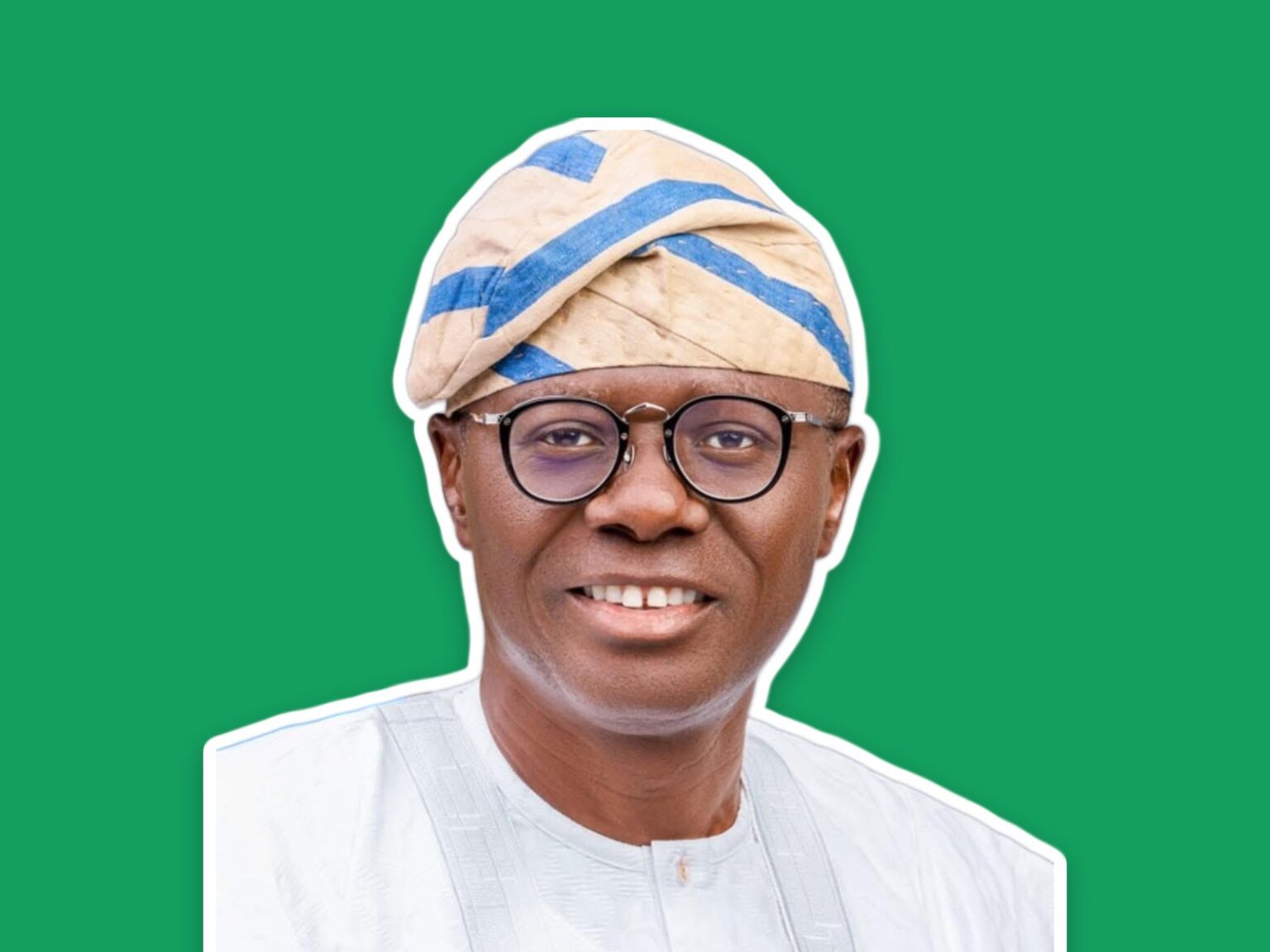
- Lagos State plans to raise electricity supply from below 1,000MW to more than 3,000MW by March 2027, Governor Babajide Sanwo-Olu said on Saturday, 10 October 2026.
- The state aims to mobilise 2,000MW of extra supply from the national grid, independent power projects, power barges, energy traders and embedded generation.
- Its seven-point plan includes a fully functional Lagos Electricity Market and wider metering to reduce estimated billing.
The gist in 30 seconds
- Lagos State plans to raise electricity supply from below 1,000MW to more than 3,000MW by March 2027, Governor Babajide Sanwo-Olu said on Saturday, 10 October 2026.
- The state aims to mobilise 2,000MW of extra supply from the national grid, independent power projects, power barges, energy traders and embedded generation.
- Its seven-point plan includes a fully functional Lagos Electricity Market and wider metering to reduce estimated billing.
The Lagos State Government says it plans to raise electricity supply in Lagos from below 1,000 megawatts (MW) to more than 3,000MW by March 2027. Governor Babajide Sanwo-Olu set out the target on Saturday, 10 October 2026, at the fourth Lagos Business School Africa Energy Conference in Lekki, in a speech delivered on his behalf by his deputy, Obafemi Hamzat, the News Agency of Nigeria and TVC News reported.
“Lagos needs more power,” the governor said. The state described the plan as part of efforts to end blackouts and build a 24-hour power economy.
For homes and businesses in Nigeria’s commercial capital, the promise is more hours of grid electricity and fewer estimated bills. Whether it is met will depend on gas supply, transmission lines and metering, not only on new power plants.
Where would the extra power come from?
Sanwo-Olu said the state’s “immediate objective is to mobilise 2,000MW of additional electricity supply through multiple channels”. According to the News Agency of Nigeria, he listed additional national grid resources, Lagos independent power projects and energy hubs, excess generation, power barges, energy traders and embedded generation.
“Our ambition is to move from below 1,000MW today to well above 3,000MW by March 2027, while continuing to build towards the larger requirements of the Lagos economy,” he added.
The state has set out a seven-point action plan to get there, Nairametrics and TVC News reported. It aims to:
- make the Lagos Electricity Market fully functional;
- increase generation;
- strengthen distribution capacity;
- reinforce transmission infrastructure;
- improve networks and metering;
- strengthen gas-to-power arrangements;
- improve IT systems and market visibility.
The plan includes upgrading substations and distribution feeders, and expanding metering to reduce estimated billing. The state also plans to set clear contractual obligations among market operators and regulators, and to use digital monitoring tools, including SCADA, advanced metering infrastructure and a Lagos Electricity Intelligence Platform, according to Nairametrics.
“The focus is now on disciplined implementation and measurable results that will support the development of a sustainable electricity market and strengthen the economic growth of Lagos,” Sanwo-Olu said. He called on investors, financial institutions, energy operators and development partners to work with the state.
What has Lagos done so far?
The state said about 42,000 of roughly 50,000 streetlights earmarked for solar power have been converted. Solar projects have been completed in 175 public schools, with work under way in another 100, the News Agency of Nigeria reported.
Why can Lagos run its own power market?
The Electricity Act 2023 allows states to regulate electricity markets within their borders. In December 2024, the Nigerian Electricity Regulatory Commission (NERC) began handing oversight of the Lagos market to the Lagos State Electricity Regulatory Commission (LASERC), with the transfer expected to be completed by June 2025, TheCable reported at the time.
Under NERC’s order, Eko and Ikeja electricity distribution companies were each required to set up a subsidiary to handle supply within Lagos, licensed by LASERC. In May 2026, LASERC approved 14 licences and permits covering off-grid and embedded generation, independent distribution, metering services and mini-grids, according to Nairametrics.
Has Lagos been promised more power before?
Yes. In August 2026, the federal Ministry of Power announced a plan for 3,500MW of new supply to Lagos at a town hall at Lagos House, Marina, ThisDay reported. At that meeting, a ministry official said Lagos needs more than 6,000MW, and Lagos Commissioner for Energy and Mineral Resources Abiodun Ogunleye said the state receives less than one gigawatt from the national grid.
Rilwan Babalola, Special Adviser to the President on Power, said then that the federal government’s power sector reset aimed to move “from megawatts announced to electricity delivered”, ThisDay reported.
What happens next
The March 2027 deadline is about five months away. The figures to watch are the power actually delivered to Lagos distribution networks, progress on the Lagos Electricity Market and the pace of meter installation. In August, Sanwo-Olu proposed a review meeting in five to six months to assess progress on the commitments, ThisDay reported.
Sources
We checked this story against these sources. How we check
- News Agency of Nigeria (via Peoples Gazette): Lagos targets 3,000MW electricity supply by March 2027 (10 Oct 2026)
- TVC News: Sanwo-Olu Targets 3,000MW Electricity Supply for Lagos by March 2027 (11 Oct 2026)
- Nairametrics: Sanwo-Olu targets 3,000MW electricity supply for Lagos by March 2027 (11 Oct 2026)
- ThisDay: FG Targets 3,500MW Power Supply to Lagos, to End Blackout Soon (21 Aug 2026)
- TheCable: NERC transfers regulatory oversight of Lagos electricity market to state government (19 Dec 2024)
How does this story make you feel?

John Christian Mmaduabuchi is a Nigerian filmmaker, creative director, and media professional with extensive experience in digital storytelling, visual journalism, and contemporary media. His Journalism interests span Nigerian and African current affairs, entertainment, culture, technology, lifestyle, media, and the people shaping public conversation. With a background in film direction and documentary production, he brings a strong visual and narrative perspective to editorial work, with particular attention to context, clarity, and compelling storytelling. John is also a creative entrepreneur focused on storytelling, entertainment, culture, and digital content. His professional experience across directing, cinematography, editing, media strategy, and emerging AI technologies gives him a broad understanding of how stories are created, distributed, and consumed in the digital age. At GistMatrix, John contributes to the development and presentation of timely, engaging, and relevant stories for a contemporary audience. His approach to editorial work is grounded in accuracy, context, responsible storytelling, and a commitment to covering stories that matter.
Join the conversation
Be sharp, be kind. Comments are checked before they appear. We remove insults, hate, spam and personal details. Community rules