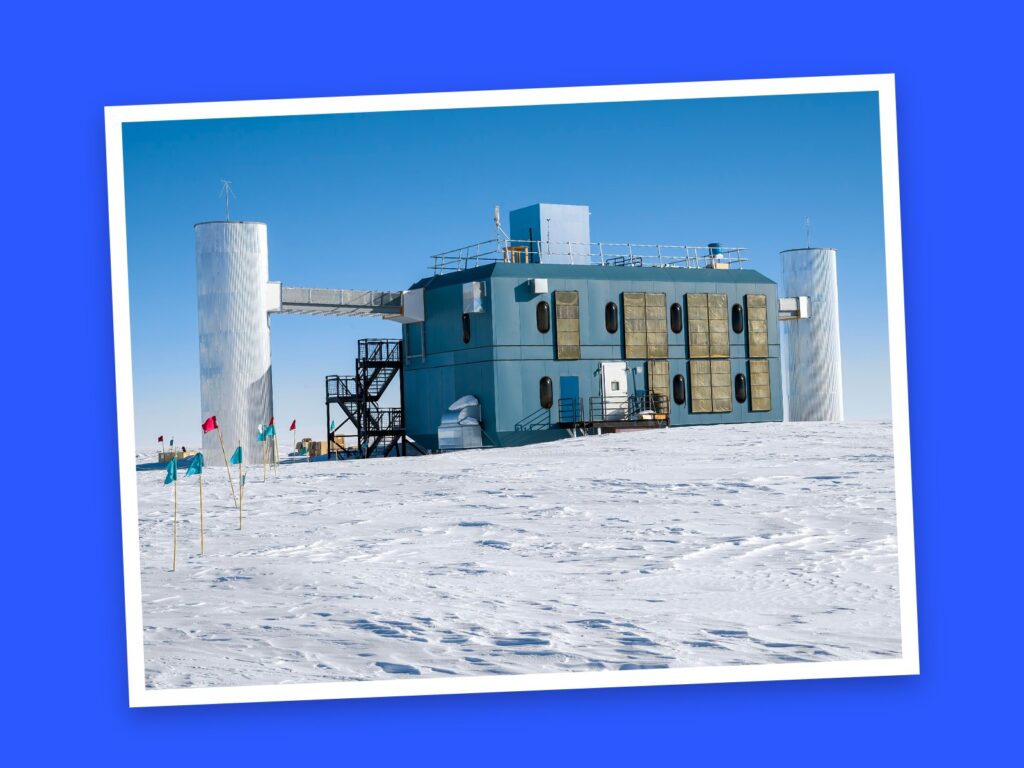
- Francis Halzen of the University of Wisconsin–Madison won the 2026 Nobel Prize in Physics, announced in Stockholm on Tuesday, 6 October 2026.
- The prize recognises his role in IceCube, a cubic kilometre of Antarctic ice fitted with 5,160 light sensors that catches neutrinos from deep space.
- IceCube reported the first evidence of cosmic neutrinos in 2013, and Halzen will receive the prize in Stockholm on Thursday, 10 December 2026.
Physics Nobel 2026 explained: how South Pole ice caught neutrinos from deep space
Francis Halzen won the 2026 Nobel Prize in Physics for IceCube, a cubic kilometre of Antarctic ice fitted with light sensors. Here is what it found and why it matters.
Belgian-born physicist Francis Halzen has won the 2026 Nobel Prize in Physics for his work on the IceCube Neutrino Observatory, a giant detector buried in the ice at the South Pole. The Royal Swedish Academy of Sciences announced the award in Stockholm on Tuesday, 6 October 2026, citing his "decisive contributions to the IceCube Neutrino Observatory and the discovery of…